
How to Extend the Life of Your Refrigerator
Fri Mar 20 2026
- Appliances
Your refrigerator is one of the most important appliances in your home. It runs around the clock to keep food fresh, maintain safe temperatures, and support your daily routine. Because refrigerators operate continuously, even small maintenance habits can make a big difference in how long they last.
Most refrigerators are designed to last 10 to 15 years, but proper care can help you get the most value from your investment and avoid unexpected repairs. With a few simple maintenance steps and good everyday habits, you can improve efficiency, prevent common problems, and extend the life of your appliance.
In this guide, we’ll cover practical tips to help keep your refrigerator running smoothly for years to come.
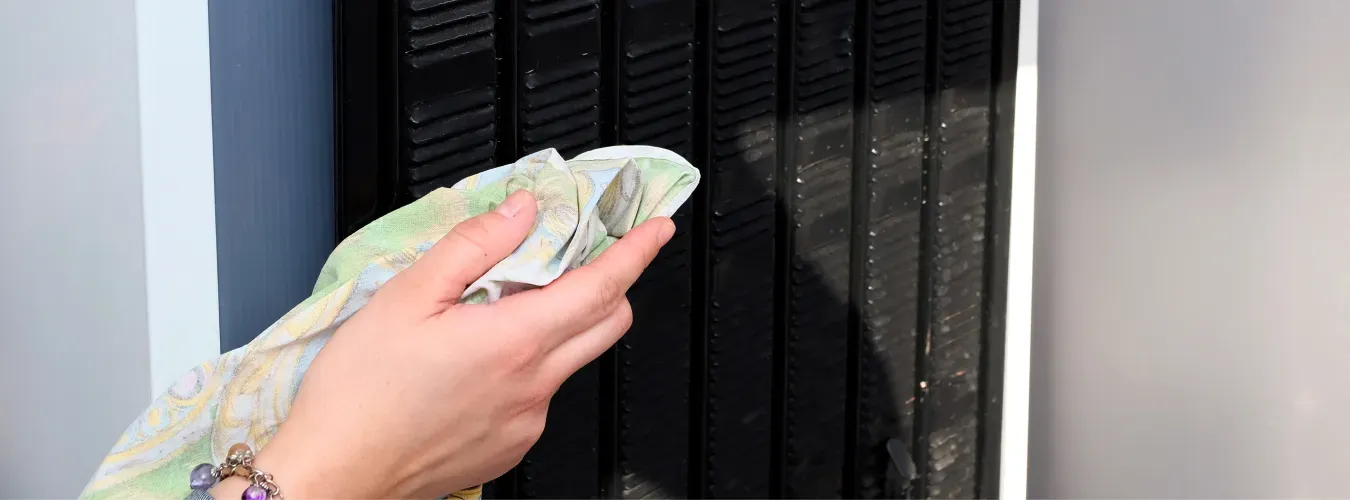
Keep the Condenser Coils Clean
One of the most important steps in refrigerator maintenance is cleaning the condenser coils. These coils release heat from the cooling system, allowing the appliance to maintain proper internal temperatures.
Over time, dust, pet hair, and debris can accumulate on the coils. When this happens, the refrigerator has to work harder to release heat, which can strain the compressor and shorten the appliance’s lifespan.
How often should you clean the coils?
-
Every 6-12 months for most homes
-
Every 3-6 months if you have pets
Cleaning is simple. Unplug the refrigerator, locate the coils (usually behind or beneath the appliance), and use a vacuum or coil brush to remove buildup.
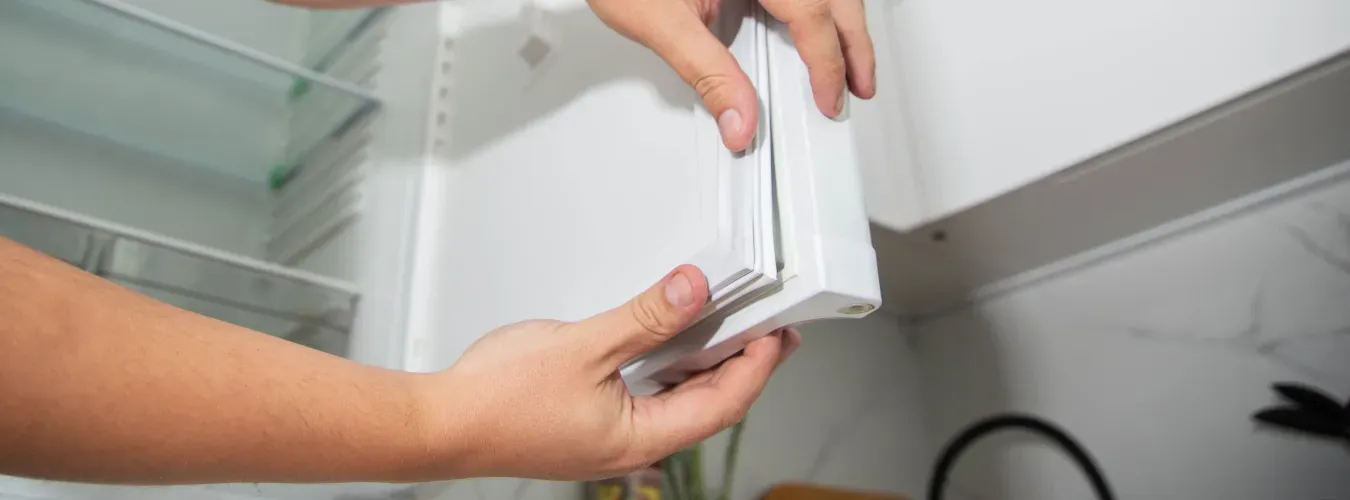
Check the Door Seals Regularly
The rubber seals around your refrigerator doors, known as gaskets, are responsible for keeping cold air inside. If these seals become cracked, loose, or dirty, cold air escapes and warm air enters the refrigerator.
When that happens, the compressor must run longer to maintain the correct temperature.
Signs your door seal may need attention include:
-
The door doesn’t close tightly
-
You notice condensation around the edges
-
The refrigerator runs constantly
Wiping the gaskets with warm water and mild soap every few weeks helps maintain a tight seal and prevents premature wear.
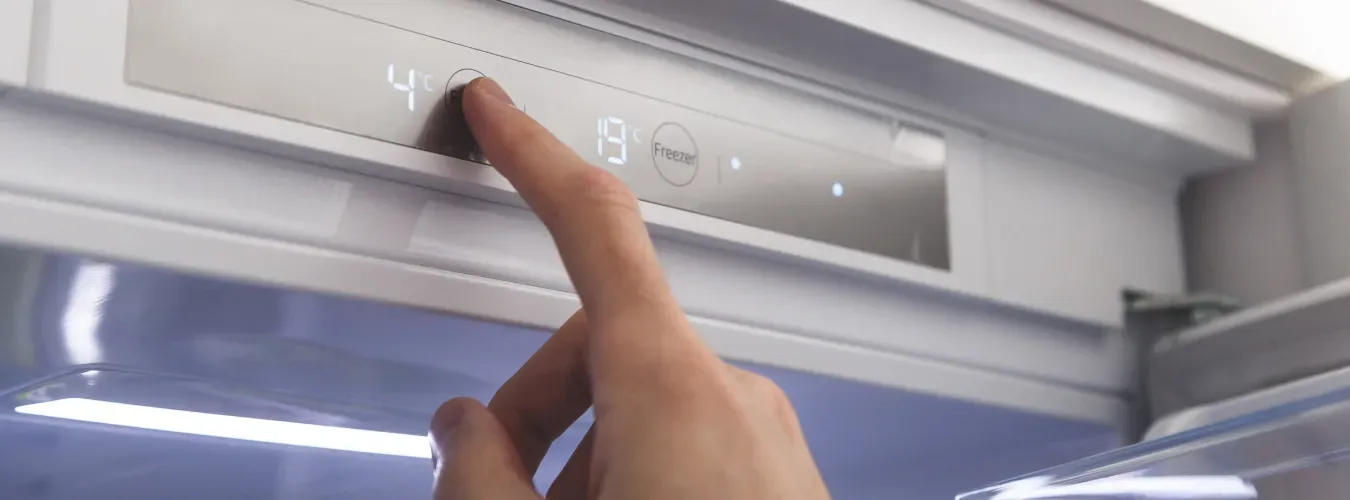
Set the Right Temperature
Improper temperature settings can reduce refrigerator efficiency and increase wear on internal components.
For optimal performance, keep your refrigerator within the recommended temperature range:
-
Refrigerator compartment: 37-40°F
-
Freezer compartment: 0°F
If the temperature is set too low, the compressor may run excessively. If it’s too warm, food may spoil more quickly. A refrigerator thermometer can help ensure the appliance stays within the ideal range.
Avoid Overloading the Refrigerator
It might be tempting to fill every inch of refrigerator space, especially during holidays or large grocery trips. However, overcrowding can block airflow and make it harder for the appliance to maintain consistent temperatures.
Cold air needs room to circulate around food items. When airflow is restricted, the refrigerator works harder to cool the interior, which can shorten its lifespan.
A well-organized refrigerator with a little breathing room between items helps maintain consistent cooling and improves efficiency.
Keep the Interior Clean and Organized
Routine cleaning helps your refrigerator operate more efficiently and keeps food storage safe.
Spills, crumbs, and expired food can create unpleasant odors and interfere with airflow. Cleaning the interior regularly prevents buildup and helps maintain proper hygiene.
Simple cleaning habits include:
-
Wiping shelves and drawers monthly
-
Discarding expired food regularly
-
Cleaning spills as soon as they occur
Maintaining a clean refrigerator also makes it easier to monitor food storage and prevent waste.
Give Your Refrigerator Enough Space
Refrigerators need proper ventilation to release heat generated by the cooling system. If the appliance is installed too close to walls or cabinetry, airflow can become restricted.
Most refrigerators require a small amount of clearance:
-
1-2 inches behind the unit
-
½-1 inch on each side
-
About 1 inch above the appliance
Allowing adequate ventilation helps the compressor run efficiently and prevents overheating.
Replace Water Filters on Schedule
If your refrigerator includes a water dispenser or ice maker, it likely uses a built-in filtration system. Over time, these filters can become clogged with minerals and debris.
Most manufacturers recommend replacing refrigerator water filters every six months, although heavy use may require more frequent replacement.
Replacing filters regularly helps maintain water quality and reduces strain on the appliance’s internal systems.
Keep the Freezer Maintained
Freezer maintenance is just as important as refrigerator care. Excess frost buildup can reduce efficiency and restrict airflow inside the freezer compartment.
To keep your freezer running smoothly:
-
Avoid leaving the door open for long periods
-
Store food in sealed containers
-
Remove frost buildup if it becomes excessive
Keeping the freezer organized and free of heavy ice buildup helps maintain consistent temperatures.
Protect Your Refrigerator From Power Surges
Modern refrigerators include advanced electronics, control panels, and sensors. These components can be vulnerable to electrical power surges caused by storms or power fluctuations.
Using a surge protector can help safeguard your refrigerator’s electronic systems and prevent expensive damage.
This small investment can protect your appliance and extend its overall lifespan.
Know When It’s Time to Replace Your Refrigerator
Even with excellent care, refrigerators eventually reach the end of their useful life. Knowing the warning signs can help you plan for replacement before a complete breakdown occurs.
Common signs include:
-
Frequent repairs
-
Unusual noises or vibrations
-
Inconsistent temperatures
-
Rising energy bills
-
Excessive frost or moisture buildup
If your refrigerator is more than 12-15 years old, upgrading to a newer energy-efficient model may provide better performance and lower operating costs.

Discover Refrigeration Solutions at Mountain High Appliance
Extending the life of your refrigerator doesn’t require complicated maintenance routines. Simple habits, like cleaning the coils, checking the door seals, and keeping the appliance properly organized, can make a significant difference in performance and longevity.
By taking a proactive approach to refrigerator care, you can keep your appliance running efficiently, protect your food storage, and delay the need for replacement.
When the time does come to upgrade, choosing a high-quality refrigerator designed for durability and efficiency can help ensure reliable performance for many years.
Visit one of our appliance showrooms in Colorado: Denver, Colorado Springs, Glenwood Springs, Littleton, and Louisville to discover the latest refrigeration models that best fit your needs. We offer refrigeration styles and configurations for every home and preference, including French door, side-by-side, bottom freezer, built-in, top mount, and more.
You’ll find premium refrigerator appliance options from top brands, including our favorite luxury appliances.
Related readings from our blog:
FAQs: How to Extend the Life of Your Refrigerator
How long should a refrigerator last?
Most refrigerators last between 10 and 15 years, although proper maintenance can sometimes extend that lifespan even longer.
How often should refrigerator coils be cleaned?
Cleaning the condenser coils every 6-12 months helps maintain efficiency and prevents the compressor from overworking.
What temperature should a refrigerator be set to?
The recommended temperature is 37-40°F for the refrigerator and 0°F for the freezer.
Does overfilling a refrigerator damage it?
Overloading can restrict airflow and force the appliance to work harder, which may shorten its lifespan over time.
When should I replace my refrigerator?
If your refrigerator requires frequent repairs, struggles to maintain temperature, or is over 12–15 years old, replacement may be more cost-effective.
Related Articles