
What Size Fridge Should I Buy?
Wed Jan 28 2026
- Home Tips & How To's
Choosing the right refrigerator size is one of the most important decisions when planning your kitchen or upgrading your current appliance. With so many options available, from compact top freezers to expansive French door models, it’s easy to feel overwhelmed. The best fridge size depends on your household needs, lifestyle, kitchen layout, and food storage habits.
In this guide, we’ll walk you through how to determine the ideal refrigerator size for your home, including tips for measuring your space, understanding capacity, and matching models to lifestyle preferences. Whether you live alone, have a growing family, or entertain often, we’ll help you find a fridge that fits your needs perfectly.

Why Size Matters in a Refrigerator
The size of your fridge impacts not only how much food you can store, but it also affects your kitchen workflow, energy efficiency, and overall satisfaction with your purchase. Too small, and you’ll continually run out of space; too large, and you’ll waste energy and money on unused volume.
A fridge that’s the right size helps you:
-
Store groceries more efficiently
-
Reduce food waste
-
Keep frequently used items accessible
-
Maximize kitchen layout and flow
-
Save on energy costs
Understanding Refrigerator Capacity
Refrigerator sizes are typically measured in cubic feet (cu. ft.). This number represents the total internal storage volume of the fridge and freezer. Here’s a rough estimate of what different capacities mean in practical terms:
-
Small (10-16 cu. ft.): Great for apartments, small spaces, or secondary refrigerators
-
Medium (17-22 cu. ft.): Ideal for couples or small families
-
Large (23-28+ cu. ft.): Perfect for larger families, meal preppers, or frequent entertainers
Note that fridge capacity differs from external width/height measurements, so be sure to consider both when making a choice.
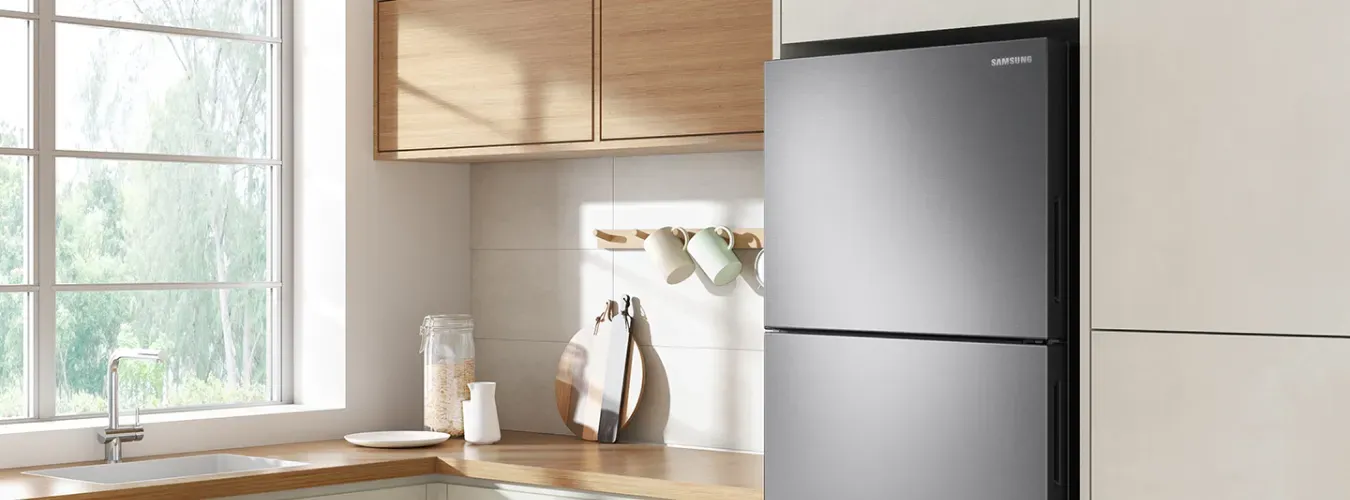
Step 1: Measure Your Space First
Before choosing a fridge, measure your kitchen area carefully. This ensures your new appliance fits seamlessly without issues.
Important Measurements
-
Height: Include clearance for doors opening and overhead cabinets
-
Width: Leave room for ventilation and doors to swing fully open
-
Depth: Consider counter depth vs. standard depth refrigerators
-
Floor space: Account for surrounding cabinets, counters, and walkways
Measuring accurately prevents surprises on delivery day and ensures your refrigerator fits correctly within your kitchen layout.
Step 2: Choose Based on Household Size
Your household size is one of the biggest indicators of the refrigerator capacity you need.
1-2 People
A fridge in the 17-22 cu. ft. range typically provides ample storage for singles and couples, enough space for weekly groceries and occasional leftovers.
3-4 People
For medium-sized families, aim for 22-26 cu. ft. This size accommodates larger quantities of fresh produce, multiple beverage drawers, and space for family meals.
5+ People or Frequent Entertainers
Consider a 26 cu. ft. or larger refrigerator. Bigger households benefit from expandable shelves, dual temperature zones, and more freezer capacity.
Step 3: Consider Lifestyle & Cooking Habits
How you use your fridge also matters:
-
Meal Preppers & Bulk Buyers: If you buy groceries in bulk or prepare meals ahead of time, a larger size with flexible shelving will help you stay organized.
-
Entertainers: Extra space for platters, beverages, and party trays is critical if you host often.
-
Minimalists: Smaller sizes can keep things efficient and reduce energy use if you don’t store a lot of food at once.
Refrigerator Styles & Their Typical Sizes
Different fridge styles come in a range of sizes. Understanding the pros and space benefits of each can help you choose the best fit.
French Door Refrigerators
French door refrigerators offer wide shelving, spacious drawers, and excellent organization, often in the 20–28+ cu. ft. range. They’re especially popular for families who want easy access to fresh foods while keeping frozen items neatly organized below.
Side-by-Side Refrigerators
Side-by-side models balance fridge and freezer access with vertical storage, and typically range from 18-26+ cu. ft. This layout works well in narrower kitchens where door clearance is limited, but consistent access to both compartments is important.
Top Mount Refrigerators
Top mounts (freezer above fridge) are classic designs often found in compact and mid-size ranges (14–20+ cu. ft.), perfect for small spaces. They’re also a practical option for homeowners seeking reliable performance with a straightforward, budget-friendly design.
Bottom-Freezer Refrigerators
With the freezer below, bottom-freezer models put fresh food at eye level, perfect for everyday use and available in 18-26+ cu. ft. This configuration reduces bending and makes frequently used items easier to see and reach.
Built-In Refrigerators
For a seamless, custom look, built-in refrigerators blend with cabinetry and range from 18-30+ cu. ft., depending on configuration. They’re ideal for homeowners prioritizing design continuity and a high-end, integrated kitchen aesthetic.
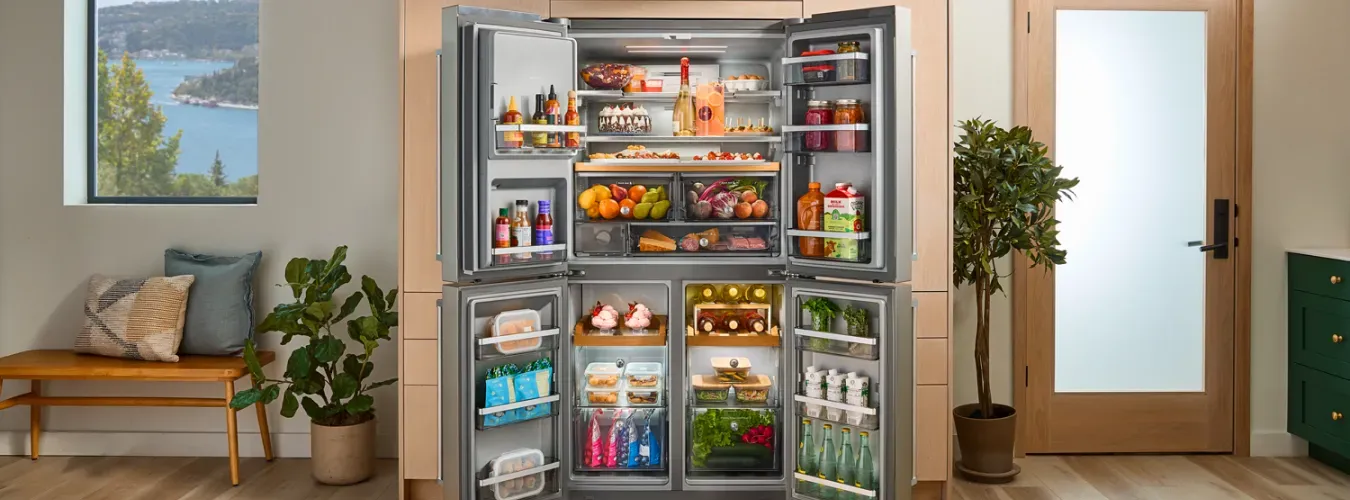
Freezers & Secondary Storage
If you find that your main refrigerator isn’t quite enough, especially for frozen goods, consider adding a freezer. Freezers come in standalone options that expand your storage capacity without affecting your main fridge’s space.
Tips for Matching Your Fridge to Your Kitchen Style
Standard or Counter-Depth?
-
Standard depth refrigerators provide more storage behind the door but may protrude beyond counters.
-
Counter-depth models align with cabinet edges for a clean, built-in look, though they often have slightly less internal capacity.
Door Clearance
Always check that doors can open fully without hitting walls or cabinets. Consider swing style and clearance when planning placement.
Traffic Flow
Ensure fridge doors don’t block walkways or obstruct major kitchen zones like sinks or prep areas when open.
Final Checklist Before You Buy
✔ Have you measured the height, width, and depth of the space?
✔ Have you allowed proper clearance for doors and ventilation?
✔ Does the capacity match your household size and habits?
✔ Do fridge features (drawers, shelving, temperature zones) match your lifestyle?
✔ Have you considered a secondary freezer for additional storage?
If you answered “yes” to these, you’re ready to choose the best refrigerator size for your home.

Find the Right Size Fridge for You at Mountain High Appliance
Ready to find the perfect fridge for your kitchen and lifestyle? Explore all refrigeration options at Mountain High Appliance, and let our experts help you pick the ideal size, style, and configuration for your home. Explore trusted products from leading appliance brands and let our experts help you find the right fit for your home. Interested in luxury upgrades? Browse our luxury appliance brands.
Visit us today at one of our appliance showrooms in Colorado: Denver, Colorado Springs, Glenwood Springs, Littleton, and Louisville to explore refrigerator appliances and more in person and decide which units fit just right in your home.
Related readings from our blog:
FAQs: What Size Fridge Should I Buy?
How much space do I need for a large family fridge?
Most large families benefit from 25-28+ cu. ft. capacity, especially if you entertain often or batch-cook.
What’s the difference between counter-depth and standard depth?
Counter-depth fridges align with cabinets for a built-in look but have slightly less internal space than standard depth models.
Should I choose a built-in fridge or a freestanding?
Built-ins offer a custom, integrated appearance, while freestanding models often deliver more capacity for the price.
Is bigger always better?
Not necessarily. Too much unused space can waste energy. Match size to household needs, not just kitchen size.
Can I add a standalone freezer?
Yes, adding a standalone freezer can boost frozen storage without affecting your main fridge’s organization.
Related Articles