
Do Smart Appliances Save Money?
Mon Feb 09 2026
- Appliances
Smart appliances promise convenience, automation, and energy efficiency, but do they actually save you money over time? For many homeowners, the answer is yes, but the level of savings depends on how the appliance is used, the type of smart features included, and the household’s daily habits.
Many of today’s refrigerators, washers, dryers, dishwashers, and cooking appliances use sensors, connectivity, and data-driven controls to optimize performance. When paired with intentional use, these features can lead to lower utility bills, fewer repairs, and longer appliance lifespans. However, smart technology isn’t a guaranteed return on investment for every home.
Let’s break down where the real savings come from, which appliances benefit most, and when smart features are worth the upgrade.

What are Smart Appliances?
Smart appliances are household appliances equipped with Wi-Fi connectivity, sensors, and software that allow them to communicate with you, other devices, or even utility providers. Unlike traditional appliances, smart models can be monitored, controlled, and optimized remotely through a smartphone app or smart home system.
These appliances use built-in intelligence to adjust performance automatically. For example, a smart dishwasher can detect soil levels and adjust water usage, while a smart refrigerator can regulate temperatures more precisely to protect food freshness and reduce energy waste.
Many smart appliances also provide real-time alerts, usage reports, and maintenance notifications, helping homeowners make more informed decisions about how and when they use their appliances.
From a cost-savings perspective, the key advantage of smart appliances isn’t just convenience, it’s efficiency. By learning usage patterns, operating during off-peak hours, and preventing overuse or mechanical issues, smart appliances are designed to reduce wasted energy, water, and unnecessary repairs over time.
How Smart Appliances Can Reduce Household Costs
Smart appliances save money in three primary ways: energy efficiency, water optimization, and maintenance prevention.
1. Lower Energy Consumption
Many smart appliances automatically adjust cycles, temperatures, and power usage based on real-time conditions. This reduces wasted energy without sacrificing performance.
Examples include:
-
Washers that adjust water and cycle length based on load size
-
Dishwashers that optimize wash pressure and temperature
-
Refrigerators that regulate cooling based on usage patterns
Over time, these incremental efficiencies can significantly reduce monthly utility costs.
2. Reduced Water Usage
Laundry and dishwashing appliances with smart sensors use only the water needed for each cycle, rather than relying on fixed settings.
For households with frequent laundry or dishwashing:
-
Smart load sensing can prevent overuse
-
Leak detection can stop costly water damage early
-
Usage monitoring helps homeowners identify inefficiencies
Water savings are often subtle month-to-month, but meaningful over the lifespan of the appliance.
3. Fewer Repairs and Longer Appliance Life
One of the most overlooked financial benefits of smart appliances is predictive maintenance.
Smart features can:
-
Alert homeowners to clogged filters or airflow issues
-
Detect performance problems before they cause breakdowns
-
Reduce wear by preventing overuse or incorrect settings
Avoiding even one major repair or premature replacement can offset a large portion of the initial upgrade cost.
Which Smart Appliances Save the Most Money?
Not all appliances offer the same return on smart technology. Some categories consistently provide higher value than others.
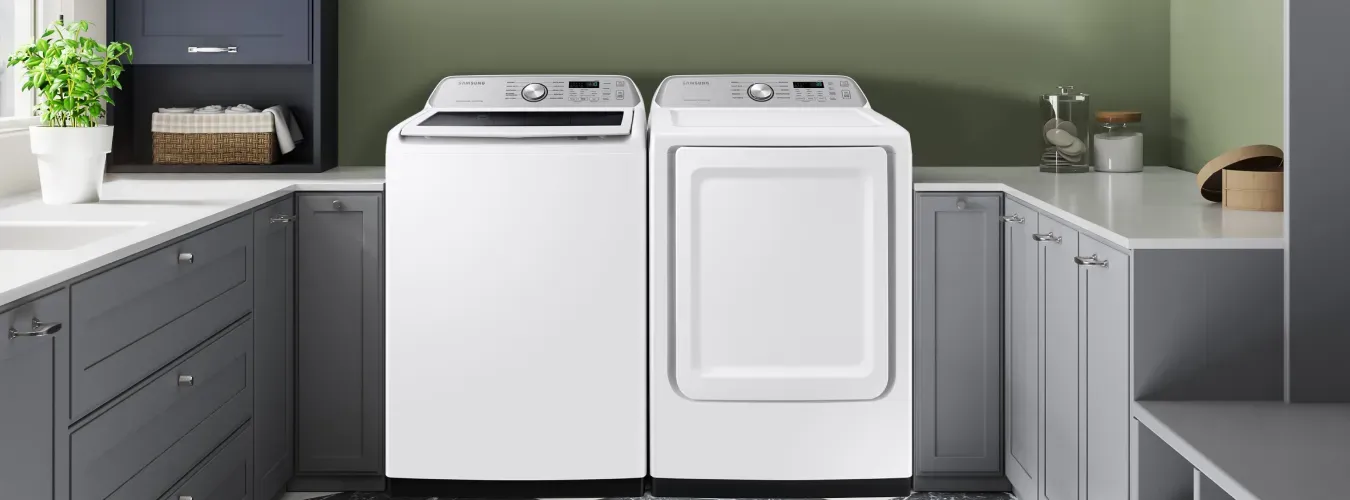
Smart Washers and Dryers
Laundry appliances are among the most cost-effective smart upgrades.
Savings come from:
-
Load-sensing technology that minimizes water and energy use
-
Cycle optimization for fabric type and soil level
-
App alerts that prevent rewashing forgotten loads
-
Off-peak scheduling to take advantage of lower utility rates
For families with frequent laundry needs, smart washers and dryers often deliver noticeable long-term savings.
Smart Dishwashers
Dishwashers with smart sensors reduce both water and energy consumption by tailoring each wash cycle.
Key savings features include:
-
Soil sensors that adjust wash intensity
-
Auto-dry systems that reduce heater usage
-
Leak detection that prevents water damage
-
Cycle monitoring to improve usage habits
Homes that run multiple loads per week tend to see the greatest benefit.
Smart Refrigerators
Refrigerators run continuously, making efficiency especially important. While smart features don’t always reduce energy use dramatically, they can prevent costly food waste and maintenance issues.
Savings advantages include:
-
Temperature alerts that protect food during power fluctuations
-
Door-open notifications
-
Compressor monitoring for early issue detection
-
Optimized defrost cycles
The financial impact is often indirect but meaningful over time.
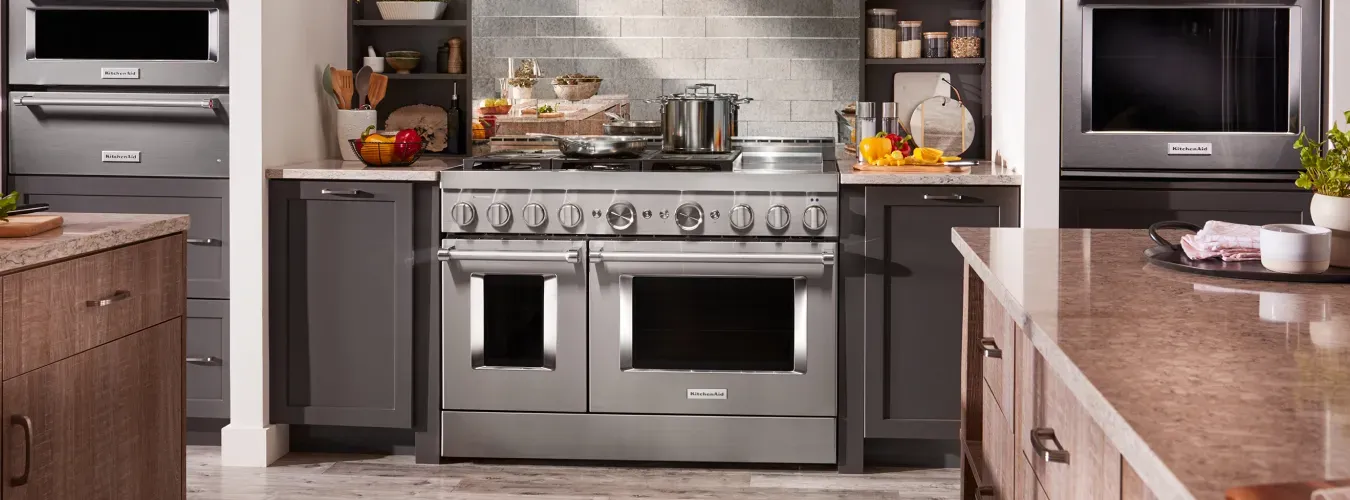
Smart Ovens and Ranges
Cooking appliances provide more convenience-driven savings rather than direct energy reduction.
Smart features can help by:
-
Preventing overcooking and food waste
-
Allowing remote monitoring to avoid unnecessary reheating
-
Offering precision temperature control for better efficiency
While energy savings may be modest, improved performance and reduced mistakes still contribute value.
Do Smart Appliances Cost More Upfront?
Yes, smart appliances typically carry a higher initial price compared to traditional models. However, the cost gap has narrowed significantly in recent years as smart features become more common.
When evaluating cost:
-
Consider lifetime operating expenses, not just purchase price
-
Factor in energy, water, and maintenance savings
-
Account for rebates and efficiency incentives when available
For many homeowners, the break-even point occurs well before the appliance reaches the end of its usable life.
When Smart Appliances May Not Save Money
Smart technology isn’t automatically a smart investment for every household.
You may see limited savings if:
-
The appliance is used infrequently
-
Smart features go unused
-
The home already has very low utility rates
-
The upgrade replaces a relatively new, efficient appliance
In these cases, convenience and performance may still justify the purchase, but direct financial savings may be smaller.
Smart Appliances and Energy Rebates
Many smart appliances qualify for energy-efficiency rebates and incentives, depending on model and region. These programs can significantly reduce upfront costs and improve return on investment.
Retailers like Mountain High Appliance can help homeowners in Colorado:
-
Identify eligible models
-
Understand efficiency ratings
-
Compare long-term operating costs
This guidance ensures smart upgrades align with both budget and performance goals.
The Hidden Value of Smart Appliance Data
Beyond direct savings, smart appliances provide insight into household usage patterns. This data can help homeowners:
-
Adjust habits to reduce waste
-
Identify inefficient routines
-
Optimize appliance schedules
Over time, better information leads to better decisions and more consistent savings.
Are Smart Appliances Worth It?
Smart appliances save money most effectively when:
-
The appliance is used regularly
-
Smart features align with household routines
-
Energy and water efficiency are priorities
-
Preventive maintenance is valued
For busy households, large families, and homeowners planning to stay in their home long-term, smart appliances often deliver both financial and lifestyle returns.

Final Thoughts: Smart Savings Are About Smart Use
Smart appliances aren’t just about flashy features, they’re about efficiency, awareness, and control. When used intentionally, they can reduce utility costs, prevent repairs, and extend appliance lifespan.
The key is choosing appliances with smart features that match how you actually live, rather than paying for technology you won’t use.
For expert guidance on selecting smart appliances that offer real value, visit Mountain High Appliance and explore solutions designed to save money today and over time. You’ll find premium appliance options from top brands including our favorite luxury appliances.
Visit us today at one of our appliance showrooms in Colorado: Denver, Colorado Springs, Glenwood Springs, Littleton, and Louisville to see smart home appliances in person and decide which unit is best for you and your needs.
Related readings from our blog:
FAQs: Do Smart Appliances Save Money?
Do smart appliances really save money on energy bills?
Smart appliances can reduce energy costs by automatically optimizing cycles, temperatures, and power usage based on real-time conditions, helping prevent wasted electricity during everyday use.
Are smart appliances more expensive to maintain or repair?
While smart appliances may have higher upfront costs, built-in diagnostics and maintenance alerts often reduce repair frequency and extend appliance lifespan, lowering long-term ownership costs.
Do smart appliances use electricity when they’re not running?
Most smart appliances use minimal standby power to maintain connectivity, but this energy usage is extremely low and is generally offset by efficiency gains during operation.
Can smart appliances help reduce water bills?
Yes, smart dishwashers and washers use load-sensing and soil-detection technology to minimize water usage, which can lead to noticeable savings over time for households with frequent use.
Are smart appliances worth it for small households?
Smart appliances can still offer value for smaller households, but savings are typically greater for families or homes with higher appliance usage and more frequent cycles.
Related Articles