
Can You Put Aluminum Foil In The Oven?
Fri Jul 17 2026
- Home Tips & How To's
If you've ever wondered, "Can you put aluminum foil in the oven?" you're not alone. Aluminum foil is one of the most commonly used kitchen tools, but using it incorrectly can affect your food, your cookware, and even your appliance.
While aluminum foil is generally safe to use in most ovens, there are important guidelines to follow depending on what you're cooking and the type of oven you own.
In this guide, we'll explain when it's safe to use aluminum foil, when you should avoid it, and best practices to help protect your oven while achieving great cooking results.
Key Takeaways: Can You Put Aluminum Foil In The Oven?
-
Aluminum foil is generally safe to use in most conventional ovens when used correctly.
-
Never line the bottom of your oven with foil unless your owner's manual specifically allows it.
-
Avoid covering oven vents, heating elements, or airflow pathways with aluminum foil.
-
Foil works well for wrapping foods, covering baking dishes, and making cleanup easier on approved cookware.
-
Convection ovens require proper airflow, so foil should be used carefully.
-
Always consult your appliance manufacturer's recommendations before using aluminum foil in your oven.
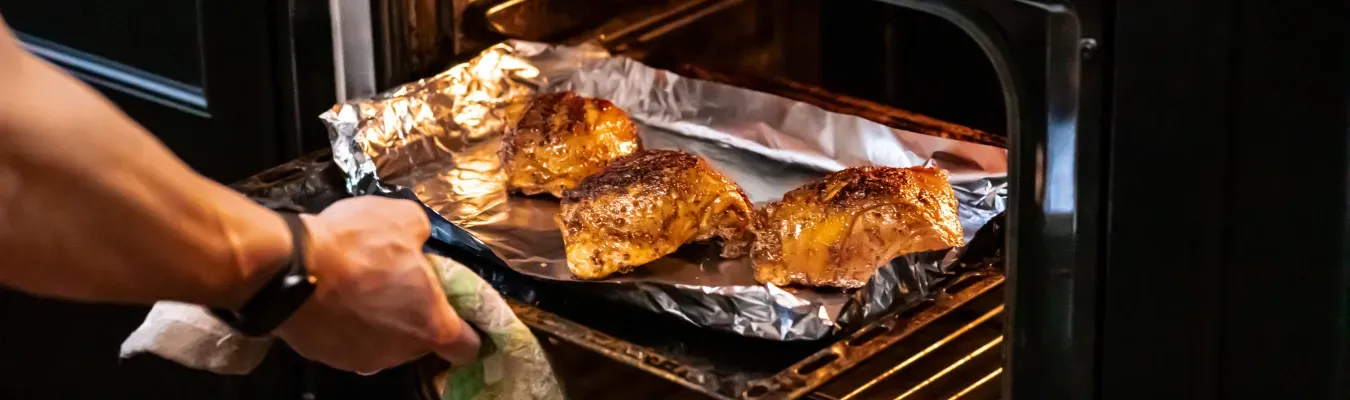
Is It Safe to Use Aluminum Foil in the Oven?
The short answer to the question "Can you put aluminum foil in the oven?" is yes, you can.
Using aluminum foil in the oven is generally safe, but some precautions must be taken to avoid potential hazards. Aluminum foil can withstand high temperatures, making it ideal for oven use. Still, improper use can lead to problems such as uneven cooking, potential fire hazards, and damage to the oven itself.
Safe Practices for Using Aluminum Foil
Avoid Lining the Oven Bottom
One common mistake is lining the bottom of the oven with aluminum foil. This can trap heat, cause poor air circulation, and lead to damage or even fire. Instead, use foil on oven racks or baking sheets.
Use Heavy-Duty Foil
Heavy-duty aluminum foil is designed to withstand higher temperatures and is less likely to tear or puncture during cooking.
Cover Dishes Properly
Ensure that aluminum foil covers the entire dish but does not touch the oven walls or heating elements. This helps prevent electrical issues or fire hazards.
Avoid Full Rack Coverage
Completely covering an oven rack with aluminum foil can block airflow and cause uneven cooking. Using foil to cover food directly or line a baking sheet is better.
Common Mistakes People Make with Aluminum Foil
Even experienced home cooks occasionally use aluminum foil incorrectly. Avoiding a few common mistakes can help protect your oven and improve cooking performance.
Some of the most common mistakes include:
-
Lining the oven floor with foil
-
Blocking convection airflow
-
Covering oven vents
-
Allowing foil to touch heating elements
-
Wrapping acidic foods for extended periods
-
Using damaged or torn foil that can shift during cooking
Using aluminum foil properly allows you to enjoy its convenience without risking unnecessary damage to your appliance.
Situations to Avoid When Putting Aluminum Foil in the Oven
Acidic Foods
Cooking acidic foods like tomatoes or citrus fruits with aluminum foil can cause a chemical reaction that may alter the taste of the food and lead to foil degradation. It's best to avoid direct contact between aluminum foil and acidic ingredients.
High-Fat Foods
When cooking high-fat foods like bacon, sausages, or fatty cuts of meat, aluminum foil can make cleanup easier by catching grease and drippings. However, avoid creating deep foil "pockets" that allow large amounts of grease to pool. Excess grease can smoke as it heats up, leading to unpleasant odors and potentially setting off smoke alarms.
Instead, place the foil on a baking sheet or in a roasting pan with enough room for grease to spread out safely. For especially fatty foods, using a roasting rack can help keep food elevated above the drippings while allowing excess fat to drain away.
Microwave Use
Never use aluminum foil in a microwave. The microwave's electromagnetic waves can cause sparks and potentially start a fire.
Broiling
Aluminum foil can generally be used when broiling, but it should be used carefully. Broilers typically reach temperatures around 500-550°F, which is well below aluminum foil's melting point. The greater concern is ensuring the foil does not come into contact with the broiler's heating element, as this can damage the foil, affect cooking performance, and potentially create a fire hazard.
If you use foil while broiling, line a broiler pan or baking sheet instead of covering the oven interior, and always leave space for proper airflow. As with any cooking method, consult your oven's owner's manual for manufacturer-specific recommendations regarding aluminum foil use.
Aluminum Foil in Other Appliances
Convection Ovens
Using aluminum foil in convection ovens is generally safe if the same precautions are followed. Ensure proper airflow and avoid blocking oven vents to maintain even cooking.
Because convection ovens rely on circulating hot air to cook food evenly, excessive use of aluminum foil can interfere with airflow. Cover only the food or cookware, not the oven racks or interior surfaces, and leave plenty of room for air to circulate. Following these guidelines helps preserve the performance advantages that make convection cooking so effective.
Toaster Ovens
You can use aluminum foil in toaster ovens, but following the manufacturer's guidelines is crucial. To prevent fire hazards, make sure the foil does not touch the heating elements or walls of the toaster oven.
Alternative Uses of Aluminum Foil in the Oven
Cooking and Baking
Aluminum foil is excellent for wrapping foods to retain moisture during cooking, lining baking sheets for easy cleanup, and creating foil packets for steaming vegetables or fish. It can also be used to tent overroasts or turkeys to prevent over-browning.
Storage and Reheating
Foil can be used to cover dishes for storage in the refrigerator or freezer. It also works well for reheating leftovers in the oven, keeping the food moist and preventing it from drying out.
Creative Uses of Aluminum Foil
Foil Pack Dinners
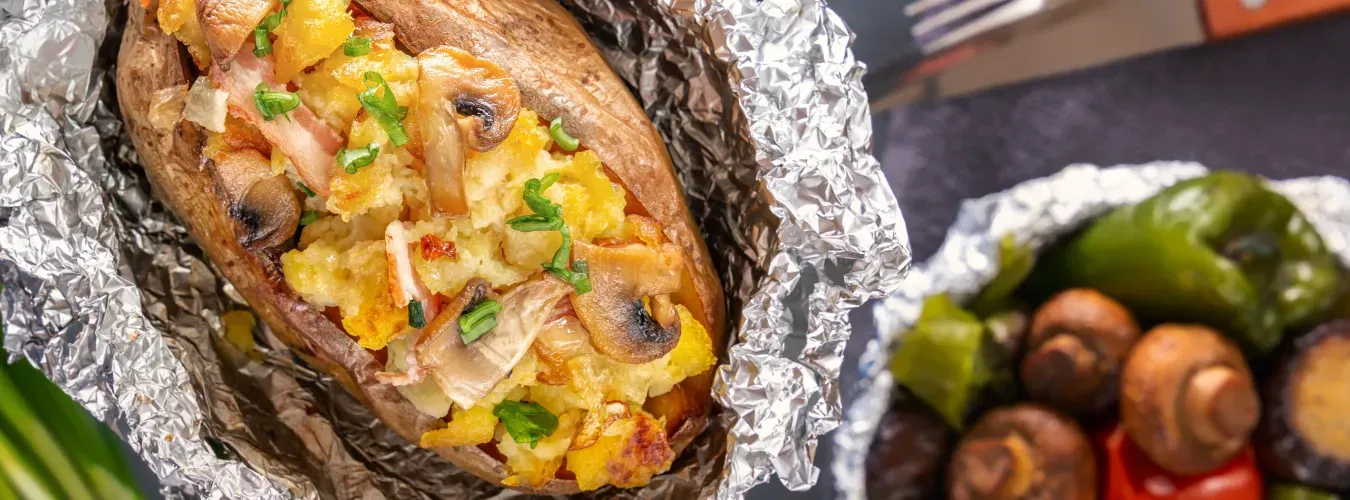
Foil-pack dinners are a convenient and mess-free way to prepare meals. Simply place your choice of protein, vegetables, and seasonings on aluminum foil, fold it into a packet, and bake. This method steams the ingredients, locking in flavors and moisture.
Crust Shields
When baking pies, use aluminum foil to shield the crust edges to prevent them from burning. Cut foil strips and gently cover the pie crust edges about halfway through baking.
Drip Pans
Create drip pans with aluminum foil to catch spills and drips from casseroles or roasts. This makes cleanup a breeze and prevents spills from burning onto the oven floor.
Cleaning Tips for Using Aluminum Foil in the Oven
Clean Your Oven Regularly
Even when aluminum foil is used properly, small spills and food residue can still accumulate over time. Regular oven cleaning helps maintain consistent heating performance and prevents baked-on residue from becoming more difficult to remove. Following your manufacturer's recommended cleaning procedures will help extend the life of your appliance.
Oven Liners
While it's unsafe to line the oven bottom with foil, you can use aluminum foil liners on racks or baking sheets to catch drips and spills. Just be sure not to block airflow.
Grill Cleanup
Line your grill grates with aluminum foil to make post-barbecue cleanup easier. This prevents food from sticking to the grates and catches drips from marinades or sauces.
Polishing Silverware
Aluminum foil can also be used to polish tarnished silverware. Line a pan with foil, add hot water and baking soda, and place the silverware in the solution. The tarnish will transfer to the foil, leaving your silverware shiny and clean.
Shop Premium Cooking Appliances at Mountain High Appliance
Whether you're replacing an aging range or upgrading to a convection, steam, or smart wall oven, Mountain High Appliance carries cooking appliances from today's most trusted brands, including cooktops, ranges, range hoods, and more. Our appliance specialists can help you choose the right cooking appliance for your cooking style while answering questions about proper use, maintenance, and care so you can enjoy years of reliable performance.
Ready to elevate your kitchen's aesthetics with our line of premium, professional-grade ovens? Visit one of Mountain High Appliance’s appliance stores in Colorado Springs, Denver, Glenwood Springs, Littleton, and Louisville to browse our selection. Contact us today!
Related readings from our blog:
FAQs: Can You Put Aluminum Foil In The Oven?
Can you put aluminum foil directly on the oven rack?
Yes, in many cases aluminum foil can be placed directly on an oven rack when supporting food or catching minor drips, but you should always follow your appliance manufacturer's recommendations. Foil should never block airflow, oven vents, or heating elements. In convection ovens especially, unrestricted air circulation is essential for even cooking. When in doubt, place foil on a baking sheet instead of directly on the rack.
Is it safe to line the bottom of the oven with aluminum foil?
In most cases, no. Lining the bottom of the oven can interfere with airflow, reflect heat improperly, and potentially damage the oven's interior or heating elements. Some manufacturers specifically warn against this practice in their owner's manuals. Always check your appliance's instructions before using foil inside the oven cavity.
Can aluminum foil go in a convection oven?
Yes, but it should be used carefully. Convection ovens depend on circulating hot air to cook food evenly, so foil should never obstruct vents or cover large portions of the oven racks. Instead, use foil only to cover food or line approved cookware when necessary. Proper placement helps maintain the oven's performance while still providing the benefits of aluminum foil.
When should you avoid using aluminum foil?
Avoid using aluminum foil if it will come into direct contact with heating elements, cover oven vents, or line the oven floor unless specifically approved by the manufacturer. It's also a good idea to avoid prolonged contact between foil and highly acidic foods, as this can affect the foil over time. Using foil correctly helps protect both your appliance and your meals. Following your owner's manual is always the safest approach.
What can I use instead of aluminum foil?
Several alternatives work well depending on your cooking needs. Parchment paper is excellent for baking, silicone baking mats provide a reusable option for many recipes, and oven-safe cookware with lids can often replace foil for roasting or baking. Choosing the right alternative depends on the food you're preparing and your desired cooking results.
Related Articles