
How Do I Clean the Inside of My Refrigerator?
Fri Jun 12 2026
- Home Tips & How To's
- Appliances
Your refrigerator is one of the most frequently used appliances in your home, but it’s also one of the easiest to overlook when it comes to maintenance. Over time, spills, crumbs, moisture, and expired food can lead to odors, sticky surfaces, and even reduced cooling efficiency.
Regular cleaning helps:
-
Maintain a hygienic environment for food storage
-
Prevent bacteria and mold growth in hidden areas
-
Improve airflow and cooling performance
-
Reduce unpleasant odors
-
Extend the lifespan of your appliance
Even a quick wipe-down every week combined with a deeper seasonal clean can make a noticeable difference.
Key Takeaways: How to Clean the Inside of a Refrigerator
-
Regular refrigerator cleaning helps improve food safety, efficiency, and odor control
-
A full clean should include shelves, drawers, door seals, and interior walls
-
Natural cleaners like baking soda and vinegar are effective and food-safe options
-
Removing and washing removable parts separately makes cleaning more effective
-
Door gaskets and tight corners are often overlooked, but they collect the most buildup
-
Deep cleaning every few months helps maintain long-term appliance performance
-
Proper organization after cleaning helps reduce future mess and spills
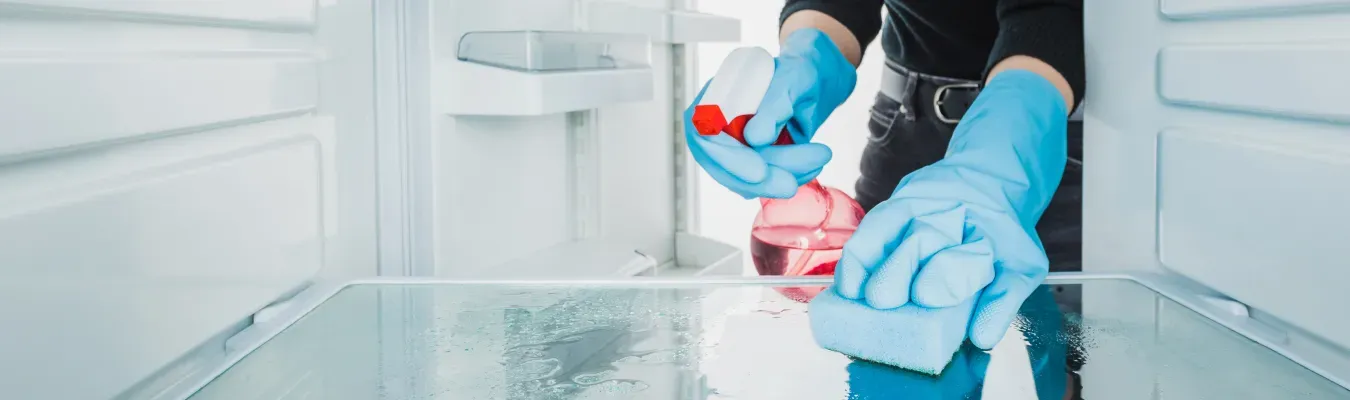
Step 1: Empty and Sort Everything First
Start by removing all food from your refrigerator. This gives you full access to shelves, drawers, and interior surfaces.
As you empty it out, check expiration dates and discard anything spoiled or no longer usable. Group similar items together so they are easier to return once cleaning is complete.
If you have perishable foods, place them in a cooler to keep them safe while you work.
Step 2: Remove Shelves, Drawers, and Bins
Take out all removable parts, including glass shelves, produce drawers, and door bins.
Washing these separately allows you to properly clean areas that are normally difficult to reach inside the refrigerator. Most buildup tends to accumulate underneath and around these components.
Let them come to room temperature before washing if they are cold, then soak them in warm soapy water to loosen stuck-on residue.
Step 3: Clean the Interior Surfaces Thoroughly
Once the fridge is empty, wipe down all interior surfaces, including:
-
Side walls
-
Ceiling and back panel
-
Bottom surface
-
Door interior
A simple mixture of warm water and mild dish soap works well for most cleaning. For tougher stains or odors, a solution of vinegar and water or a baking soda paste can help break down residue and neutralize smells.
Pay extra attention to corners and seams where spills often collect unnoticed.
Step 4: Don’t Forget the Door Seals
The rubber door gasket is one of the most overlooked parts of refrigerator cleaning, but it plays a key role in maintaining proper cooling efficiency.
Food particles and moisture can easily become trapped in the folds, leading to odor buildup or even weakening the seal over time.
Use a soft cloth or an old toothbrush with warm soapy water to gently clean along the gasket. Dry thoroughly afterward to help maintain flexibility and performance.
Step 5: Wash, Dry, and Reassemble
Once shelves and drawers have soaked, scrub them clean and rinse thoroughly. Make sure every piece is completely dry before placing it back into the refrigerator.
Reinstall components carefully and ensure they are properly seated. This is also a good opportunity to rearrange storage zones for better organization.

Step 6: Wipe Down the Exterior
The outside of your refrigerator also collects fingerprints, dust, and grime—especially around handles and high-touch areas.
Use a soft cloth and appropriate cleaner based on your finish (stainless steel, matte, or panel-ready surfaces). Wipe in the direction of the grain for stainless steel to avoid streaks.
Step 7: Organize Food as You Put It Back
As you restock your refrigerator, take the opportunity to organize items more intentionally. Group similar foods together and place frequently used items at eye level.
Helpful organization tips include:
-
Keep raw meats on lower shelves to prevent cross-contamination
-
Store leftovers in clear, labeled containers
-
Use crisper drawers for fruits and vegetables
-
Rotate older items to the front to reduce waste
A well-organized fridge not only looks better but also helps reduce future mess and cleanup time.
How Often Should You Clean Your Refrigerator?
For most households, a full deep clean every 3 to 4 months is ideal. However, light maintenance like wiping spills and checking expiration dates should be done weekly.
If you notice persistent odors or buildup, it may be time for an early deep clean.
Natural Cleaning Solutions That Work Well
You don’t need harsh chemicals to clean your refrigerator effectively. Some of the most common and safe options include:
-
Baking soda and water: Great for deodorizing and gentle scrubbing
-
White vinegar and water: Help break down grease and neutralize odors
-
Mild dish soap and warm water: Ideal for general cleaning
These options are safe for food-contact surfaces and help keep your refrigerator fresh without leaving behind strong chemical smells.
Keeping Your Refrigerator Cleaner for Longer
Once your refrigerator is clean, a few habits can help keep it that way longer:
-
Wipe spills immediately
-
Store food in sealed containers
-
Avoid overpacking shelves
-
Keep an open box of baking soda inside to absorb odors
-
Do a quick weekly inspection for expired items
Small habits like these can significantly reduce buildup and make future cleanings much easier.
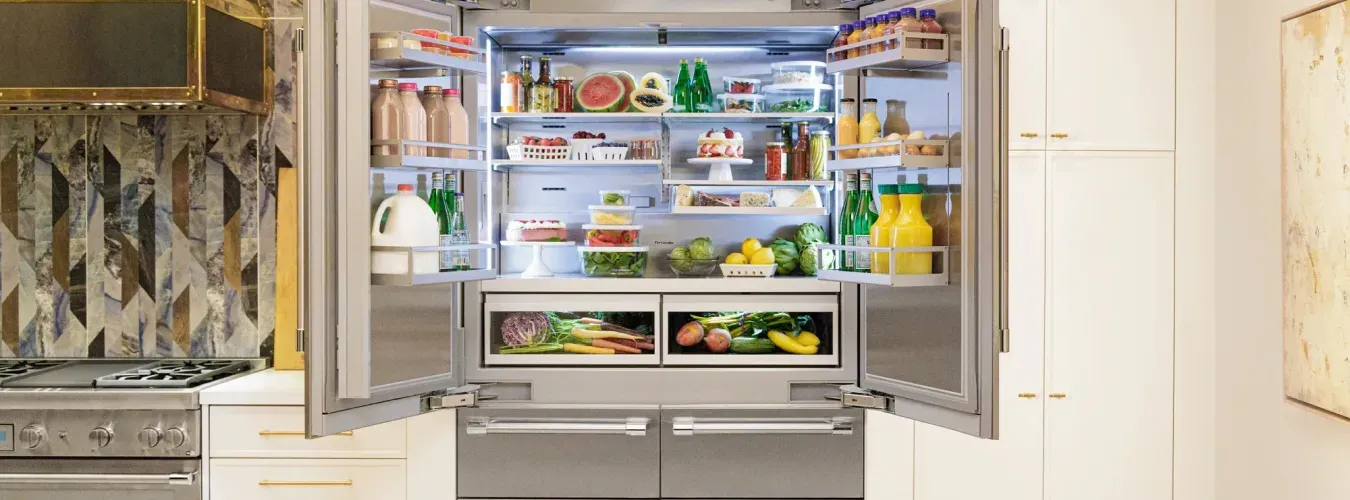
Explore Great Deals on Refrigerators at Mountain High Appliance
Cleaning the inside of your refrigerator doesn’t have to be overwhelming. With a simple step-by-step approach and the right habits, you can keep your appliance fresh, organized, and running efficiently year-round.
A clean refrigerator not only improves the look of your kitchen but also supports better food storage and long-term appliance performance, making it a small effort with big benefits.
Visit one of Mountain High Appliance’s appliance stores in Colorado Springs, Denver, Glenwood Springs, Littleton, and Louisville to explore appliance options and find the right refrigerator for your space and budget. We carry refrigerators from the most trusted brands in the industry and across various configurations and styles, including French door, side-by-side, bottom freezer, built-in, top mount, specialty, and more. Contact us today!
Related readings from our blog:
FAQs: How to Clean the Inside of a Refrigerator
How often should I clean the inside of my refrigerator?
Most households should deep clean the inside of their refrigerator every 3 to 4 months. This helps prevent odor buildup, removes hidden spills, and keeps food storage areas sanitary. In between deep cleans, it’s helpful to wipe up spills and check for expired items on a weekly basis. Regular maintenance makes the full cleaning process much faster and easier.
What is the best thing to clean the inside of a refrigerator with?
A simple mixture of warm water and mild dish soap works well for most routine cleaning. For tougher stains or lingering odors, a solution of white vinegar and water or a baking soda paste is very effective. These options are safe for food-contact surfaces and won’t leave behind harsh chemical smells. Avoid abrasive cleaners that could damage interior surfaces or finishes.
Can I use bleach to clean my refrigerator?
While diluted bleach can sanitize surfaces, it is generally not recommended for routine refrigerator cleaning due to its strong chemical residue and odor. Since refrigerators store food, it’s better to use food-safe alternatives like baking soda or vinegar solutions. If bleach is used, it must be heavily diluted and thoroughly rinsed afterward. Most homeowners find natural cleaners more practical and safer for regular use.
What areas of the refrigerator get the dirtiest?
The shelves and drawers are obvious areas, but door seals and tight corners often collect the most hidden buildup. Spills can also accumulate under removable shelves where they are easy to miss during quick cleanups. The vegetable crisper drawers tend to trap moisture, which can lead to residue over time. Paying attention to these areas helps keep the entire refrigerator cleaner and more hygienic.
Related Articles