
How to Remove Stains from Clothes?
Tue Jun 24 2025
- Home Tips & How To's
Whether it's a splash of oil while cooking or grass stains from a weekend adventure, dealing with clothing stains can be frustrating. But the right techniques (and the right washer and dryer) make all the difference.
This guide breaks down how to remove the most common clothing stains and keep your wardrobe looking fresh.
Stain-Removing Basics
Before we dive into specific stains, here are a few general tips to keep in mind when tackling any type of fabric mishap.
-
Act quickly: The sooner you treat a stain, the easier it will be to remove.
-
Check fabric care labels: Always follow washing instructions.
-
Avoid heat until the stain is gone: Heat can set stains permanently.
How to Remove Oil from Clothes
Oil stains from cooking or greasy foods can be stubborn, but are very manageable with the right steps. Here’s how to lift the grease without damaging the fabric.
-
Blot the stain with a paper towel to absorb excess oil.
-
Sprinkle baking soda or cornstarch over the stain and let it sit for 30 minutes to absorb grease.
-
Brush off powder, then apply a few drops of dish soap and gently rub it in.
-
Launder in the hottest water safe for the fabric.
This method works well for cooking oil, motor oil, and greasy food spills.
How to Remove Melted Crayon from Clothes
Crayons can easily melt into clothes, especially if accidentally left in a pocket. Here’s how to tackle waxy buildup and color stains effectively.
-
Scrape off any excess wax.
-
Place paper towels on both sides of the fabric and press with a warm iron to transfer the wax.
-
Pretreat with a stain remover or liquid detergent.
-
Launder in hot water. If needed, add color-safe bleach.
Crayon stains often need a second wash, especially if they've melted into the fibers.
How to Remove Mud from Clothes
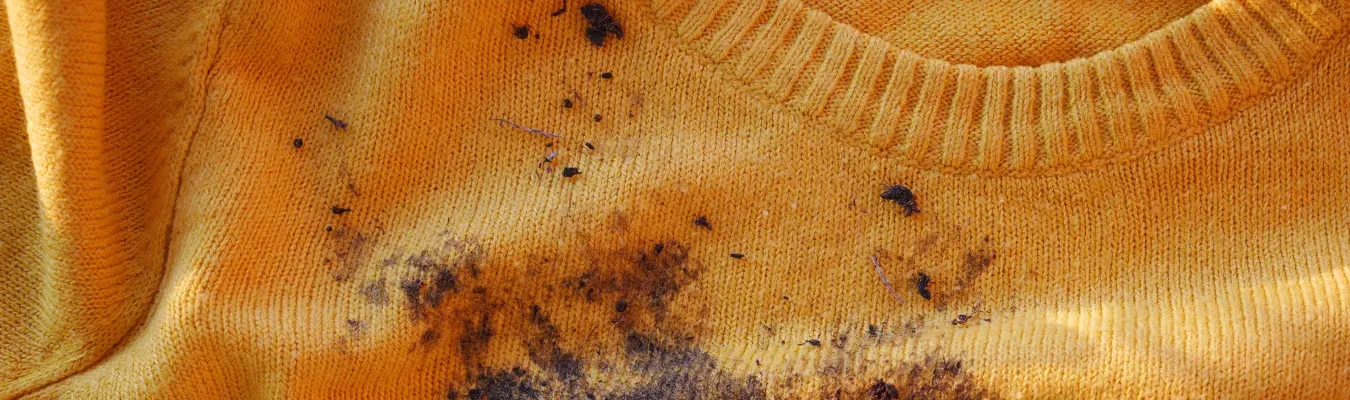
Mud stains are common for kids and outdoor enthusiasts. The key is to let the mud dry before doing anything else.
-
Let the mud dry completely. Resist the urge to scrub while it's wet.
-
Shake off loose dirt or gently scrape with a soft brush.
-
Pretreat with a paste of powder detergent and water or liquid detergent.
-
Soak in warm water for heavy stains, then launder.
How to Remove Grass Stains from Clothes
Grass stains can be tough, especially on jeans and athletic wear. Rubbing alcohol or a strong detergent can break down the green pigment.
-
Soak the stain in a 50/50 mixture of water and rubbing alcohol for 30 minutes.
-
Gently scrub with a soft toothbrush.
-
Launder with a high-quality detergent in warm water.
If the item is bleach-safe and white, you can use a diluted chlorine bleach solution instead.
How to Remove Paint from Clothes
Paint can vary in removability depending on whether it's water- or oil-based. Acting quickly is key when it comes to paint. It’s much harder to remove once it sets. Here’s our advice.
Water-based paint:
-
Rinse immediately with warm water before the paint dries.
-
Wash with regular laundry detergent.
Oil-based paint or varnish:
-
Use turpentine or paint thinner (check the paint label for recommended solvent).
-
Rinse, then pretreat with detergent.
-
Launder on the hottest setting safe for the fabric.
How to Remove Sweat Stains from Clothes
Sweat can leave behind yellowing or hard-to-remove odor-causing stains. Pretreatment is key to restoring freshness.
-
Apply a stain remover or rub with bar soap.
-
Let sit for 15 to 30 minutes.
-
Wash in the hottest water that’s safe for the fabric.
For yellowing or stubborn stains under the arms, try soaking the item in a mixture of white vinegar and water first.
Choose the Right Laundry Appliances for Better Results
A reliable washer and dryer can make stain removal significantly easier. When shopping for a new laundry pair, look for these features to help preserve your clothes, boost stain-fighting power, and streamline your laundry routine.
-
Soak cycles: Help loosen stubborn stains before the main wash begins.
-
Prewash options: Provide extra agitation or detergent to tackle heavy soil areas.
-
Steam functions: Penetrate fabrics to help release tough stains and refresh clothing.
-
Extra rinse settings: Ensure all detergent and loosened stains are completely removed.
-
Sanitize modes: Kill bacteria and allergens, great for cleaning workout gear or heavily soiled items.
-
Moisture sensors in dryers: Prevent over-drying, which can fade colors and damage fabrics over time.
Visit Mountain High For Laundry Solutions
At Mountain High Appliance, we do more than just sell appliances. Our expert team is here to help you choose the right washer and dryer with the features that make stain removal easier and your laundry routine more efficient.
Visit one of our appliance stores in Colorado Springs, Glenwood Springs, Littleton, Louisville, or Denver today. Our showrooms feature a variety of laundry setups so you can explore real appliance options and finishes. Let our experts help you find the best fit for your space, style, and laundry needs.
Related readings from our blog:
FAQs About Stain Removal & Laundry
1. Can I use vinegar or baking soda in every wash?
While helpful for some stains and odors, vinegar and baking soda shouldn't replace detergent in regular washes. Use them selectively for pretreating or boosting.
2. How should I wash delicate fabrics with stains?
Always follow care labels. Use gentle, fabric-safe stain removers and cold water. Avoid harsh scrubbing or wringing.
3. Do fabric softeners affect stain removal?
Yes, fabric softeners can sometimes coat fabrics and make stain removal harder. Avoid them when treating active stains.
4. Is air drying better after treating a stain?
Yes. Air drying helps you confirm if a stain is fully removed. Heat from a dryer can set any remaining stain permanently.
Related Articles