
Kitchen Appliance Layout Mistakes to Avoid
Fri Sep 12 2025
- Kitchen Design & Remodeling
Designing or remodeling a kitchen is exciting, but it’s also a project that requires careful planning. The layout of your kitchen appliances determines more than just looks. It impacts functionality, safety, and how enjoyable your kitchen is to use every day. Even the most beautiful kitchen can become frustrating if the oven, refrigerator, and dishwasher aren’t positioned correctly.
At Mountain High Appliance, we’ve helped countless Colorado homeowners transform their kitchens into spaces that are both stylish and practical. To save you from costly missteps, let’s explore the most common kitchen appliance layout mistakes to avoid and how to design a space that flows seamlessly.
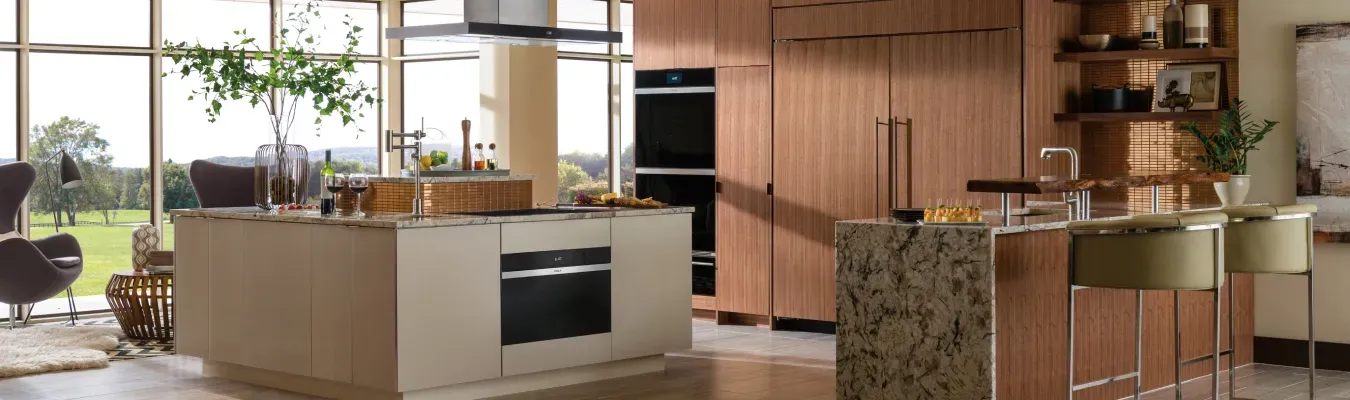
Why Appliance Layout Matters
Your kitchen isn’t just another room. It’s the “heart” of a home and a hub of daily life. A poorly designed layout can lead to:
-
Crowded work areas where multiple people can’t cook together.
-
Safety risks like hot stovetops near traffic zones.
-
Inefficient workflow, forcing you to constantly crisscross the space in discomfort.
By considering placement early in the design process, you can prevent these frustrations and create a kitchen that feels natural to use.
Ignoring the Kitchen Work Triangle
The “work triangle” is a classic design principle connecting the three most-used zones: the sink, refrigerator, and stove. If these appliances are too far apart, or too close, you’ll waste time and energy moving between them.
-
Too much distance: Walking across the kitchen to drain pasta or grab ingredients becomes a chore.
-
Too little space: Bumping into appliances or family members while cooking disrupts the flow.
The general rule of thumb is each side of the triangle should measure 4-9 feet, and the total perimeter should be between 13-26 feet. This balance ensures smooth movement.
Placing Appliances Without Clearance
It’s easy to underestimate how much clearance doors, handles, and drawers require. Common oversights include:
-
A refrigerator door that hits the wall or island.
-
Oven doors that open into walkways.
-
Dishwashers blocking access to cabinets when open.
Always measure appliance dimensions, including doors fully open, and account for factors like swing radius before finalizing placement to ensure you have the most optimized and ergonomic kitchen layout.
Forgetting Ventilation Needs
Appliances like ranges, cooktops, and ovens generate heat, steam, and odors. Without proper ventilation, cooking can make your kitchen uncomfortable and even damage cabinetry.
Always pair cooking appliances with range hoods or built-in ventilation solutions. These kitchen appliance accessories go a long way towards not just keeping your air fresh while cooking, but also complementing your design and elevating your kitchen appliance layout.
Crowding High-Traffic Zones
Certain appliances, like the refrigerator, get used constantly, even when no one is cooking. Placing these in cramped or central walkways can create congestion and make your kitchen layout uncomfortable.
Position the refrigerator on the perimeter of the kitchen, accessible without interfering with cooking areas. If space allows, consider a secondary beverage center or speciality refrigerator option to spread out traffic. This allows for more flexibility in both appliance utility and achieving a more ideal kitchen space to use and live in.
Ignoring Counter Space Around Appliances
Appliances aren’t just functional, they’re part of a workflow. You’ll need counter space nearby to set down groceries, prep ingredients, or place hot pans.
-
Ovens and ranges: Keep 12-18 inches of landing space on at least one side.
-
Refrigerators: Provide counter space close by for unloading.
-
Microwaves: Include nearby space for safe handling of hot containers.
Even in small kitchens, thoughtful design can carve out prep zones adjacent to appliances.
Overlooking Appliance Depth
Counter-depth refrigerators are popular for a sleek, built-in look, but standard-depth models can protrude significantly. The same applies to ovens, dishwashers, and washers and dryers in laundry zones.
Check product specifications and ensure appliances align with cabinetry. This small detail can transform a kitchen’s look from cluttered to polished.
Sacrificing Function for Style
Trendy layouts, like placing a wall oven or microwave in nontraditional spots, may look modern but can compromise usability. Similarly, cramming in oversized appliances can overwhelm smaller kitchens.
Prioritize ergonomics and your family’s cooking style. If you love baking, a double wall oven may be worth the space. If you rarely entertain, oversized refrigeration might not be necessary.
Not Planning for Outlets and Water Lines
It’s frustrating to design the perfect appliance layout only to discover that outlets, water connections, or gas lines aren’t where they need to be.
Coordinate with your contractor early to ensure electrical and plumbing align with your design. Planning ahead avoids costly last-minute changes.
Ignoring Appliance Noise
Dishwashers, refrigerators, and ventilation systems all generate noise. Placing them next to living areas or bedrooms without consideration can disrupt your household.
Invest in quieter models, such as Bosch or Monogram dishwashers, and consider placement relative to adjoining rooms.
Forgetting the Future
Your kitchen should work for you now and for years to come. Designing too rigidly can limit flexibility as your household grows or cooking habits change.
Choose appliance sizes and layouts that offer scalability. Adding an extra oven, beverage cooler, or smart appliance later should be possible without a complete remodel.
Optimizing Kitchen Appliance Layout with Mountain High Appliance
What matters most in your kitchen appliance layout is ensuring you find the right layout solutions that fit your personal needs and preferences. Finding the right appliances to fit your home design and elevate your home living experience at the same time is an important step in the process, and Mountain High Appliance is here to serve you.
We strive to offer luxury kitchen experiences that make your kitchen layout work for you with exceptional design and appliance options that perform beautifully. With a catalog of appliances across the kitchen from top brands in the industry, you’ll find the kitchen appliance units you need. We also offer a selection of luxury brands so you can create the kitchen of your dreams and bring your home’s function and aesthetic to new heights.
Partner with Mountain High Appliances’s designers to ensure you find the right appliances to match your kitchen layout. Visit us at one of our Colorado showrooms and get custom advice from experienced appliance professionals today.
Related readings from our blog:
FAQs: Kitchen Appliance Layout Mistakes
How far should a refrigerator be from the wall?
Leave at least 1-2 inches behind and on the sides for ventilation, and ensure the door has clearance to open fully.
What is the best place for a microwave?
Over-the-range microwaves save space, but built-in or undercounter options can be safer and more ergonomic.
How much counter space do I need near my oven?
Design guidelines suggest at least 12 inches on one side and 15-18 inches on the other for safe handling of hot dishes.
Can I fit a large island in any kitchen?
Not always. An island requires at least 36-42 inches of clearance on all sides to avoid restricting appliance doors and walkways.
What appliances should be next to each other?
It’s smart to keep the dishwasher near the sink for easy loading, and counters near the refrigerator for unloading groceries.
Related Articles