
3 Quick & Easy Convection Oven Recipes
Fri Feb 20 2026
- Recipes
Convection ovens are one of the most versatile tools in your kitchen, whether you’re an everyday home cook or a weekend chef. With a powerful fan and efficient heat distribution, a convection oven delivers faster, more even cooking with beautifully browned results.
If you’ve wondered how to get the most out of your convection oven, this guide includes three quick, easy, and delicious recipes that showcase what this technology can do.
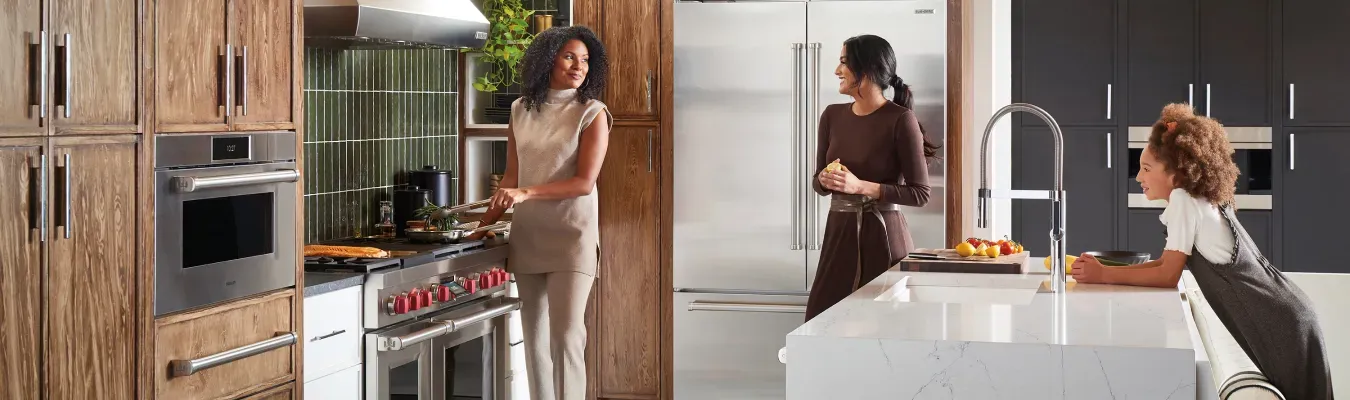
Why Use a Convection Oven?
Convection ovens use a circulating fan to distribute heat more evenly than conventional ovens. This results in:
-
Faster cooking times without sacrificing quality
-
Crispier exteriors and juicier interiors
-
Even baking across multiple racks
-
More consistent results for roasting, baking, and broiling
Whether you’re preparing a weeknight dinner or hosting friends, a convection oven can elevate your meals with professional-style results.
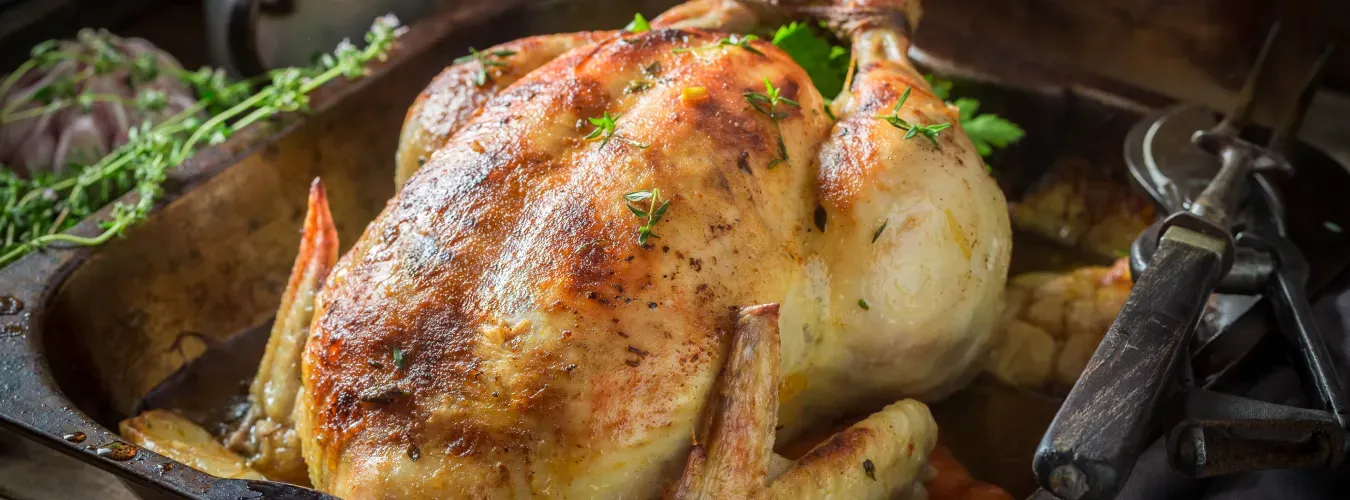
1. Crispy Herb Roasted Chicken
This herb roasted chicken is a perfect example of why convection cooking delivers such impressive results. The circulating hot air crisps the skin while keeping the meat tender and juicy.
Ingredients
-
1 whole chicken (3-4 lbs)
-
2 tbsp olive oil
-
1 tsp salt
-
½ tsp black pepper
-
1 tbsp fresh rosemary, chopped
-
1 tbsp fresh thyme, chopped
-
3 cloves garlic, minced
Instructions
-
Preheat your convection oven to 375°F.
-
Pat the chicken dry and rub with olive oil, salt, pepper, herbs, and garlic.
-
Place the chicken on a roasting rack in a shallow roasting pan.
-
Roast for 60-75 minutes, or until the internal temperature reaches 165°F.
-
Let rest 10 minutes before carving.
Tip: Using convection speeds up browning, so your chicken will have a golden crispy skin without extra steps.
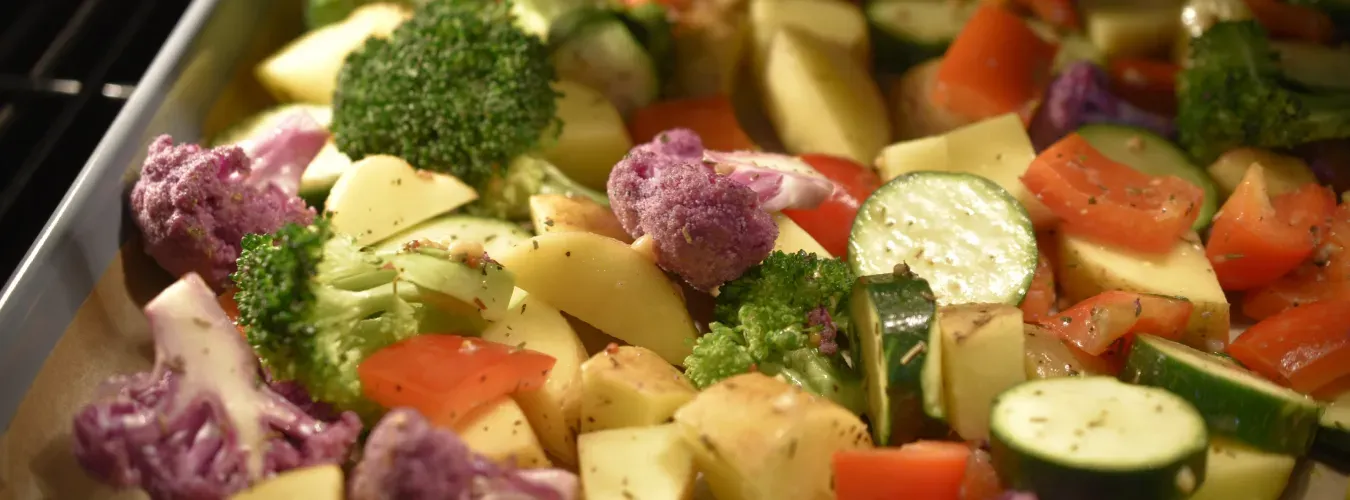
2. Convection Roasted Vegetables
Roasting vegetables in a convection oven brings out their natural sweetness and creates slightly charred edges, all with minimal prep.
Ingredients
-
3 cups assorted vegetables (carrots, broccoli, bell peppers)
-
2 tbsp olive oil
-
½ tsp salt
-
¼ tsp black pepper
-
Optional: 1 tsp balsamic glaze for finishing
Instructions
-
Preheat your convection oven to 425°F.
-
Toss vegetables with olive oil, salt, and pepper in a large bowl.
-
Spread in a single layer on a baking sheet.
-
Roast 15-20 minutes, stirring halfway through.
-
Drizzle with balsamic glaze if desired.
Tip: Convection heat caramelizes the edges quickly, so keep an eye on the veggies for perfect color and texture.
3. Chewy Convection-Baked Cookies
Convection isn’t just for savory dishes, it’s great for baking too! These cookies come out chewy on the inside with lightly crisped edges.
Ingredients
-
2 ¼ cups all-purpose flour
-
1 tsp baking soda
-
½ tsp salt
-
1 cup (2 sticks) unsalted butter, softened
-
¾ cup sugar
-
¾ cup brown sugar, packed
-
2 large eggs
-
1 tsp vanilla extract
-
1 ½ cups chocolate chips
Instructions
-
Preheat your convection oven to 350°F.
-
In a medium bowl, whisk together flour, baking soda, and salt.
-
In a separate bowl, beat butter, sugar, and brown sugar until creamy.
-
Add eggs and vanilla, mixing until smooth.
-
Gradually add flour mixture, then stir in chocolate chips.
-
Drop rounded tablespoons of dough onto a baking sheet.
-
Bake 9-11 minutes or until edges are lightly golden.
Tip: Because convection ovens cook more evenly, you can bake multiple sheets at once without rotating.
How to Maximize Convection Oven Performance
Here are a few simple tips to make the most of your convection oven:
-
Reduce temperatures slightly: Convection ovens often cook faster than conventional ovens, so reduce your recipe’s temperature by 25°F when converting.
-
Use low-sided pans: Air should circulate freely around food for best results.
-
Don’t overcrowd: Leave space between items so hot air can reach all surfaces.
-
Layer baking: One of convection’s biggest advantages is uniform heat distribution, which allows multiple racks without compromising results.
Why a Convection Oven Is a Smart Kitchen Upgrade
If you’re thinking about upgrading your kitchen, a convection oven is a feature worth investing in. Whether you’re baking, roasting, or crisping, the technology allows for:
-
More predictable results
-
Reduced cooking times
-
Even browning and texture
-
Greater flexibility with dishes
Pair your convection oven with other high-performance kitchen appliances to complete your dream kitchen, explore collections including built-in dishwashers, cooktops, ranges, and more.
Visit Mountain High Appliance to browse the latest cooking appliances that include convection technology.

Explore Convection Ovens and More at Mountain High Appliance
Ready to take your cooking to the next level? Explore convection ovens and all high-performance kitchen appliances at Mountain High Appliance. Our experts can help you find the perfect model that matches your cooking style, kitchen layout, and budget.
Mountain High Appliance offers a large catalog of cooking appliances for all your home cooking needs, including kitchen ranges, cooktops, wall ovens, range hoods, and more. You’ll find premium appliance options from top brands including our favorite luxury appliances.
Visit us today at one of our appliance showrooms in Colorado: Denver, Colorado Springs, Glenwood Springs, Littleton, and Louisville to see home cooking appliances in person and decide which unit is best for you and your needs.
Related readings from our blog:
FAQs: 3 Quick & Easy Convection Oven Recipes
What’s the main difference between convection and conventional ovens?
Convection ovens use a fan to circulate hot air, leading to faster, more even cooking and browning compared to conventional ovens.
Do convection ovens need special cookware?
No, most standard bakeware works well, but low-sided pans help maximize air circulation.
Should I adjust the temperature for convection recipes?
Generally, reduce the recommended temperature by about 25°F for convection cooking.
Can I use convection for baking and roasting?
Yes, convection works great for both, improving texture and reducing uneven cooking.
Is every recipe suitable for convection?
Most recipes benefit, but delicate baked goods (like soufflés) may do better without forced air.
Related Articles